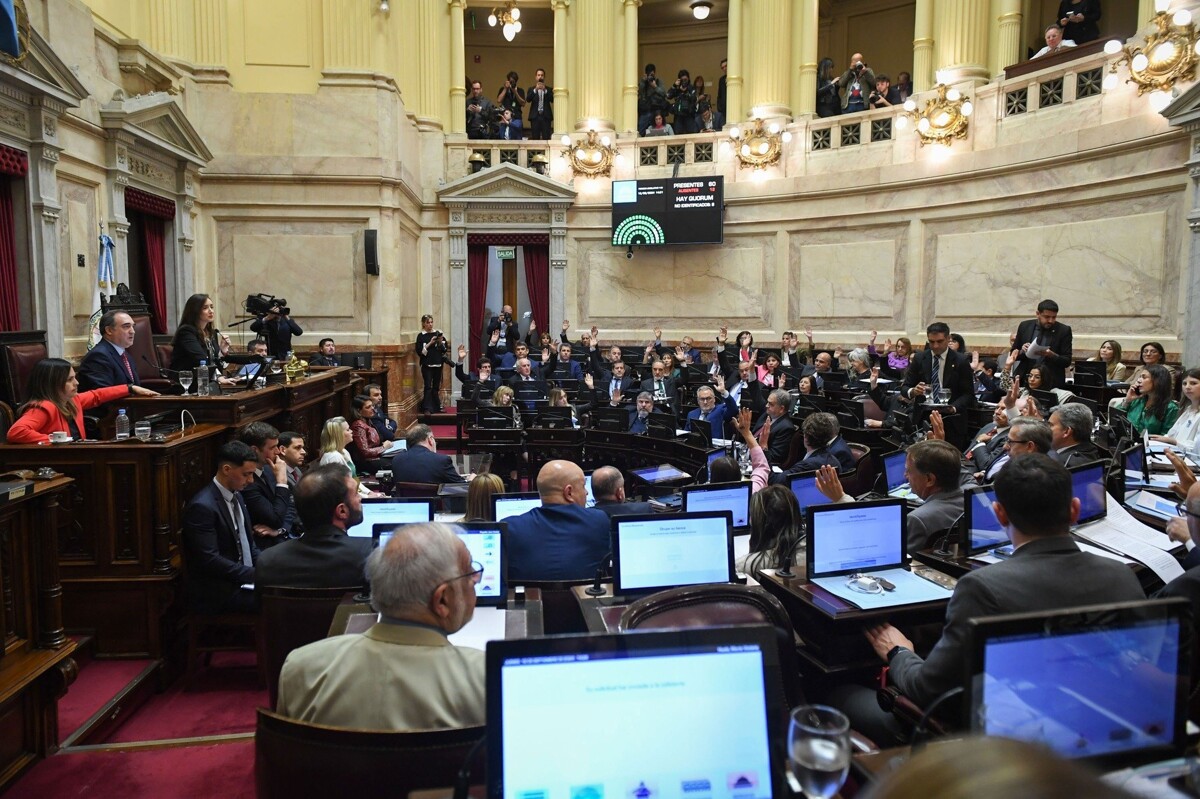
The government of Javier Milei has decided to significantly advance the processing of the labor reform and work against the clock to obtain a first approval in the Senate during December. This move, which changes the initial plan to bring the debate only in February, was confirmed by the future head of the ruling bloc, Patricia Bullrich, during a meeting held this Wednesday with senators of La Libertad Avanza. To do this, the Executive must send the text in the first days of December, an essential step for the Senate to organize committees and call for debate in a complicated calendar due to holidays, which will prevent sessions on December 24, 25, and 31. The bet is ambitious: the labor reform would be discussed in parallel with the express processing of the Budget, which the Government also intends to pass into law before the end of the year. The possibility of calling a session between Christmas and New Year is being analyzed by the Executive as a tool to avoid critical delays. The draft of the labor reform, which has not yet been formally submitted to Congress, contemplates deep changes aimed at flexibilizing hiring, speeding up dismissal mechanisms, promoting salary increases based on productivity, and updating the norms of the Labor Contract Law to adapt them to new labor models. Although none of these points have been officially confirmed, parliamentary sources maintain that the text will maintain that general line. The political climate in the Senate is complex. Versions that circulated weeks ago include incentives for formalization, modifications in collective bargaining agreements, and possible extensions of the working day. The parliamentary leadership of Bullrich will be key to articulating those agreements and preventing the project from getting stuck in delaying maneuvers. In parallel, the Chamber of Deputies must focus on the 2026 Budget, which requires approval in committees and treatment on the floor in very short deadlines. Some lawmakers believe the Government underestimates union resistance, while others consider that the ruling bloc decided to advance now because it understands that a reform of this magnitude becomes more difficult the further the administration progresses. Furthermore, a partial approval obtained in December would allow Milei to arrive at the summer with a significant political victory and increase the pressure on Deputies to complete the approval in February. The accelerated processing implies risks, especially on an issue that divides the political and union systems.